Shoyu Ramen
A clear chicken-and-dashi broth, soy tare, and every topping made ahead
- Serves
- 4
- Hands-on
- Total
- Level
- Project
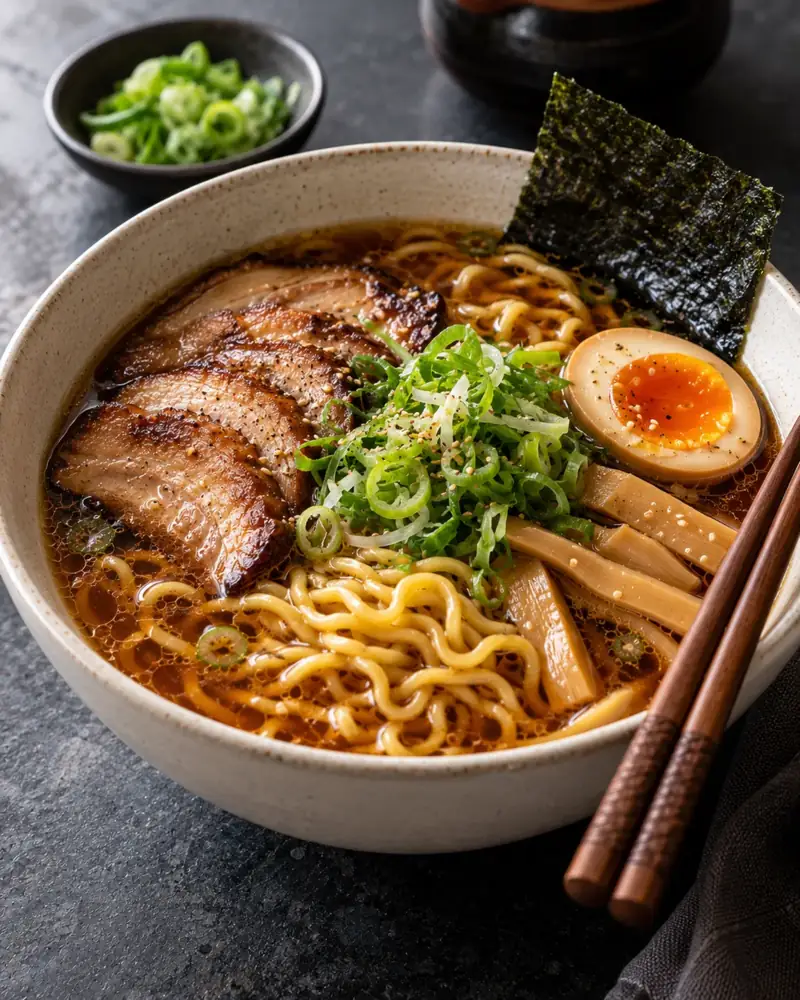
Ramen shops spend days on their broth, but a clear shoyu ramen is within reach at home. The trick is to think in parts: a well-flavored chicken stock deepened with kombu and bonito, a concentrated soy seasoning (tare) that goes into the bowl, a spoonful of aromatic fat, fresh noodles, and toppings made the day before.
Ingredients
Broth
- 2 lchicken stock (8½ cups)Chicken Stock or good low-sodium store-bought
- 10 gkombu (a 10 × 10 cm piece)
- 3dried shiitake mushrooms
- 30 gfresh ginger (1 oz)sliced
- 4scallion greensfrom the bunch below
- 15 gbonito flakes (katsuobushi) (1 loose cup)
Shoyu tare
- 120 mlJapanese soy sauce (½ cup)
- 40 mlmirin (2 tbsp + 2 tsp)
- 20 mlsake (4 tsp)or dry sherry
Aroma oil
- 60 mlneutral oil or rendered chicken fat (¼ cup)
- 3 clovesgarlicthinly sliced
- 4scallion whitesfrom the bunch below, sliced
Bowls
- 500 gfresh ramen noodles (1 lb 2 oz)or 360 g dried
- 4marinated soft eggsAjitama (Ramen Eggs), halved
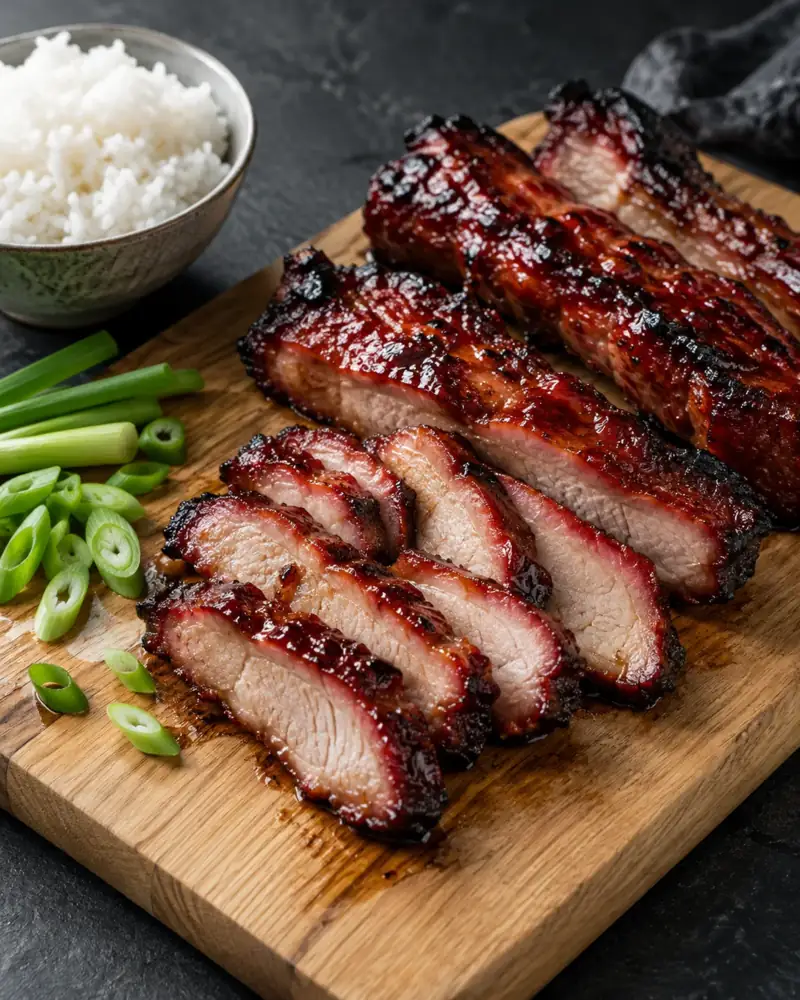
- 300 gsliced cooked pork or chicken (10½ oz)e.g. Char Siu (Cantonese Barbecue Pork) or leftover roast chicken
- 1 bunchscallionsabout 8; greens thinly sliced for topping, the rest used above
- 8bamboo shoots (menma)optional, from a jar
- 2 sheetsnorihalved
- Allergens
- gluten, soy, fish, egg, celery, sulphites
- Origin
- Japan (Tokyo)
- Season
- Autumn, Winter
Method
- Put the stock, kombu and dried shiitake in a pot and leave 20 minutes. Bring slowly to a bare simmer over medium-low heat and remove the kombu just before it bubbles.
- Add the ginger and 4 scallion greens and simmer gently 20 minutes. Turn off the heat, add the bonito flakes and steep 5 minutes, then strain through a fine sieve. Keep the broth hot but not boiling. Slice the shiitake for topping if you like.
- While the broth simmers, make the tare: bring the soy sauce, mirin and sake to a simmer in a small pan, simmer 1 minute, then turn off the heat.
- For the aroma oil, warm the oil, garlic and 4 sliced scallion whites in a small pan over low heat until the garlic is pale gold and the scallions are fragrant, 6–8 minutes. Strain and keep the oil.
- Bring a large pot of unsalted water to a rolling boil. Put 2 tbsp tare and 1 tbsp aroma oil in each of 4 warmed deep bowls.
- Ladle about 400 ml boiling-hot broth into each bowl and stir. Taste one: it should be well salted; add a little more tare if needed.
- Cook the noodles according to the packet, usually 1–2 minutes for fresh. Drain very well, shaking off all water, and fold them into the bowls.
- Top quickly with the meat, egg halves, bamboo shoots, scallion greens and a sheet of nori tucked at the edge. Eat right away, before the noodles soften.
Why it works
Kombu (glutamate), shiitake (guanylate) and bonito (inosinate) multiply each other's savory effect, giving a store-bought chicken stock real ramen depth. Keeping the salt in a separate tare means the broth stays clean and each bowl can be seasoned exactly. Ramen noodles contain alkaline salts that make them springy; cooking them in plenty of unsalted water and draining well keeps that bite.
Common mistakes
- Boiling the kombu: it turns slimy and bitter. Remove it just before the simmer.
- Cooking the noodles in the broth: their starch and alkalinity cloud and flatten it. Always use a separate pot.
- Putting toppings on too slowly: ramen waits for no one. Have everything sliced and ready before the noodles go in.
Variations
- Spicy shoyu
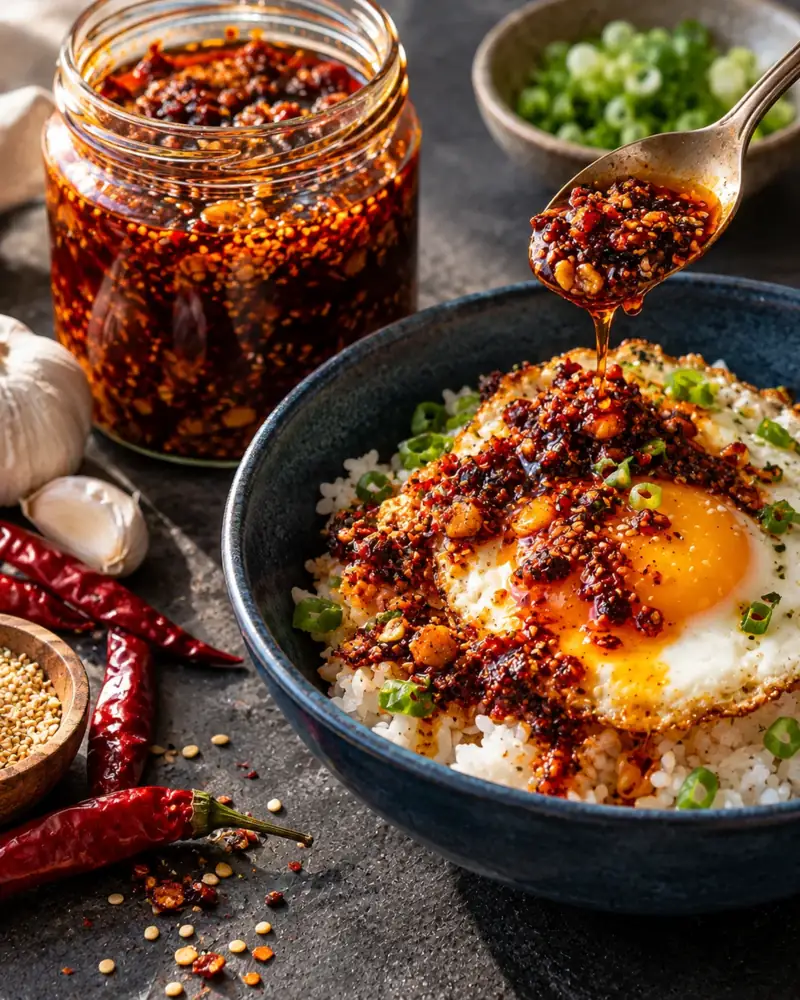
- Add 1 tsp Chili Crisp to each bowl with the aroma oil.
- Vegetable shoyu
- Use Vegetable Stock and skip the bonito; top with roasted mushrooms, corn and blanched bok choy, and omit the egg for a vegan bowl.
Make ahead and storage
Broth keeps 4 days in the fridge or 3 months frozen; tare keeps 1 month in the fridge; aroma oil 1 week. Make the eggs 1–3 days ahead.
Notes
Fresh ramen noodles are sold chilled in Asian groceries and many supermarkets. Without them, dried ramen or even thin wheat noodles boiled with 1 tsp baking soda per liter of water get close.